
The world is changing and, unfortunately, many schools aren’t modifying their curriculum to meet the needs of society. Careers in STEM fields are growing at a rapid rate, but subjects like engineering and technology rarely enter the average classroom. The National Science Foundation outlined key some questions you can ask to determine whether or not your child’s school is STEM-friendly:
1. What standards are you using for science and math education? Can I look at a copy of those standards?
Key Element #1: Having clear academic standards in place, teaching material to make sure those standards are being addressed and ways of testing to confirm that students have learned what the standards ask them to learn.
2. What credentials and certification does my child’s teacher have in math and science?
Key Element # 2: Making sure teachers have discipline-specific knowledge. A science teacher should know more science than what’s in the textbook, right? Teachers who are to be teaching STEM subjects need to have specialized training in those subjects.
3. How is my child’s learning and progress being tested? Are you using standards-based assessment or other types of high stakes tests?
Key Element # 3: Having ways of finding out whether or not students are learning more than just the basic answers. Since a big focus of STEM education is inquiry-based learning and the ability to problem-solve, students need to be tested in more practical ways. Multiple choice tests don’t evaluate this complexity.
How much time (per day/per week) is devoted to teaching these subjects?
Key Element # 4: Having enough instructional time. Many classrooms are largely centered around language arts and math, with science and technology being taught almost as an afterthought. In order to be strong in these subjects, there needs to be enough learning time.
How did you decide which students to put in which class? Do all of the teachers have the same training and credentials?
Key Element # 5: Providing equal access to STEM-focused learning. Regardless of race, socio-economic status or ethnic background, students’ learning opportunities need to be the same.
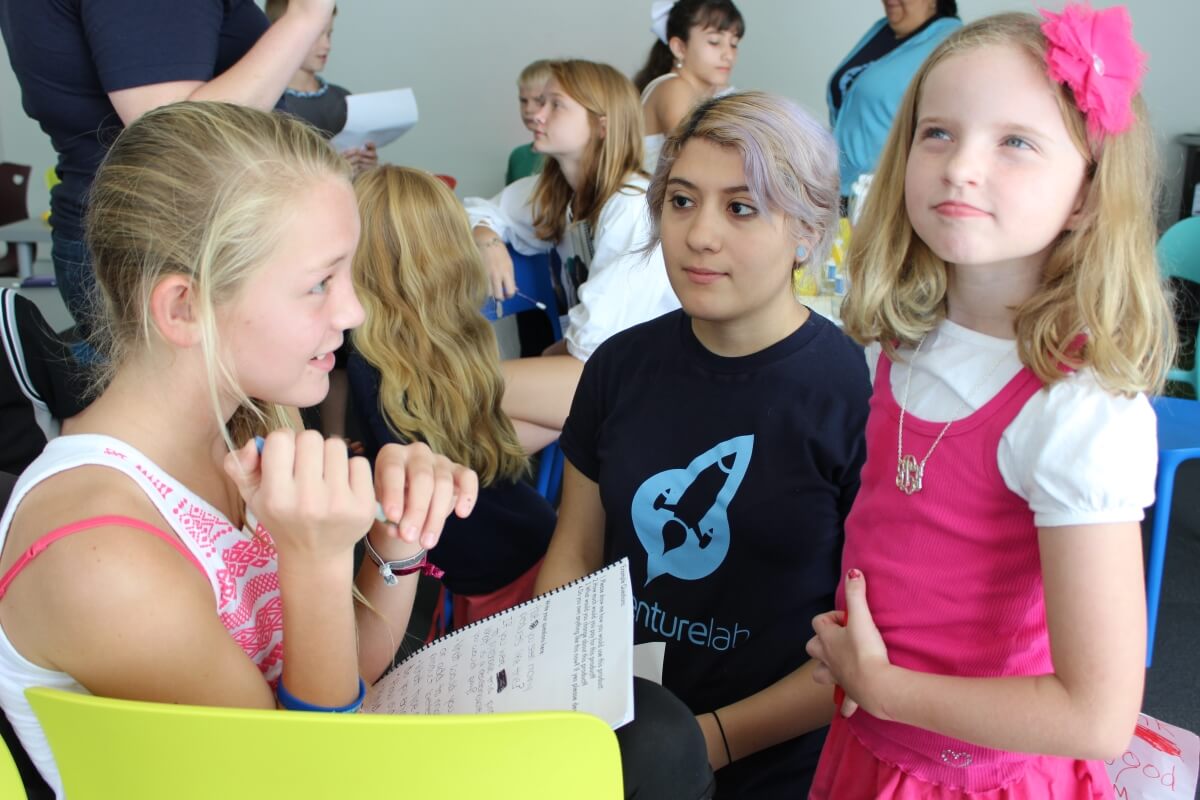
If you don’t feel as though your child is getting even a basic STEM education, there are schools whose entire focus is on STEM education, including admissions-based magnet Schools of Science and Mathematics. Of course, this is a conversation you should have with your child to discover their goals and interests before making such a move. If you don’t want to enroll your child in a new school, there are plenty of opportunities in the community for your child to explore STEM with after school programs like Venturelab!
Questions and key elements via childparenting.about.com